01. Understanding Search vs. AI Search
Traditional search engines like Google have historically served a massive market share for all types of queries, especially bottom-of-funnel searches where users are ready and looking to make a purchase. If someone has just had a car accident and needs a lawyer, they will likely go straight to Google to find an actual lawyer, skipping past AI overviews that might answer related questions. Google still maintains a massive market share for overall search, particularly for users ready to buy.
AI search tools (like ChatGPT, Perplexity, or Google’s AI mode) offer a different experience. They provide highly tailored and personalized recommendations, often doing much of the heavy lifting to determine the legitimacy and appropriateness of a source for the user. AI traffic converts extremely well because of this personalized recommendation, as the AI has already vetted and presented solutions to a user with a specific problem.
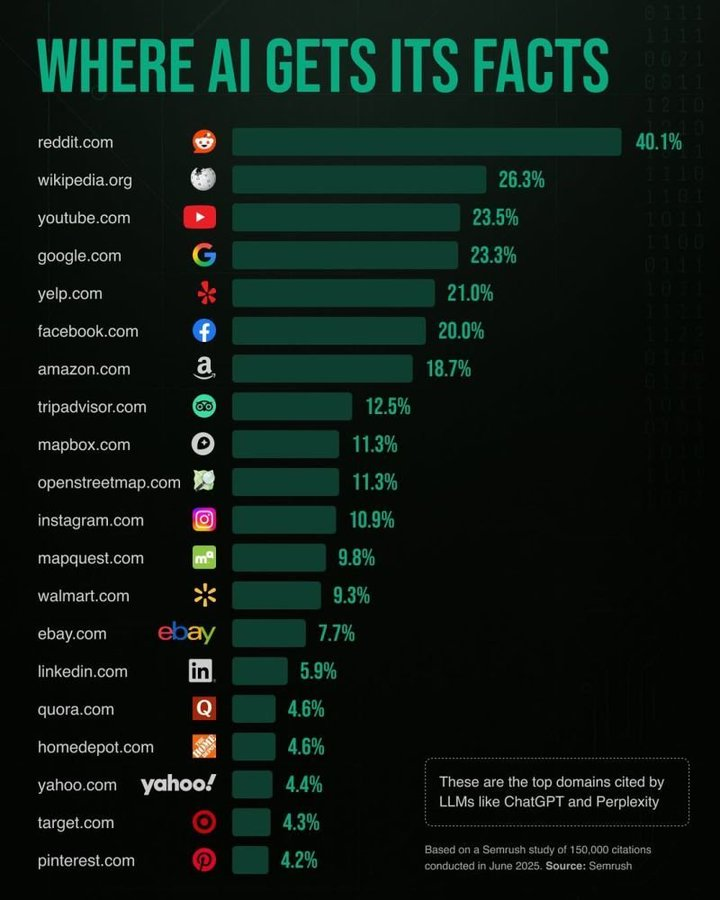
However, not all AI searches behave the same way. While Perplexity and Google’s AI Overviews often closely mirror the top 10 results in Google Search, Google AI mode and ChatGPT show less correlation. A significant difference is that AI search gives far greater weight to social media and user-generated content, with Reddit performing exceptionally well for ChatGPT. Additionally, unlinked brand mentions are considered effective for AI search, whereas traditional link building often focuses on a mix of anchor text. AI Overviews are increasingly answering many informational questions, which means users might not click through to a source even if it’s cited.
02. What the Future Means for Search Optimizations
The landscape of search is dynamic, but the fundamentals of Google SEO have not changed significantly. Google’s algorithm is essentially a checklist that constantly changes, leading to fluctuations in rankings after updates. There’s optimism that the rise of AI search could bring back opportunities for “slightly shady and more creative processes” in SEO, similar to 2008.
A key shift is the focus on actual products and service providers rather than commodified content or product recommendations that can be easily generated by AI. To thrive, businesses need to demonstrate they are a “real business” with clear service offerings, contact information, testimonials, and location details. Consistent repetition of “who you are, what you do, and where you do it” across the internet will help with future AI searches.
The emergence of tools like Cloudflare’s option to block AI crawlers presents a choice for content creators. While publishers might consider blocking AI to protect their unique content and explore monetization for licensing, product and service businesses may benefit more from an “abundance mindset,” allowing AI to crawl their sites to potentially drive more traffic. Ultimately, brand mentions will become even more crucial for both SEO and AI visibility.
03. Your Next Steps
To prepare for the future of search:
- Integrate Google SEO with AI SEO: Don’t treat them as separate entities. Doing traditional SEO well positions you for AI search.
- Build a Robust Digital Footprint: This involves increasing your citations and mentions across the internet, solidifying your brand’s presence.
- Leverage Guest Posts and Press Releases Strategically: Don’t just place links; optimize these articles to rank on Google themselves. This amplifies their power, generates direct traffic and leads, and creates more “training data” for AI. Use “parasite SEO” platforms like LinkedIn, Medium, Quora, or Yahoo Finance for this purpose.
- Engage with User-Generated Content Platforms: Actively participate on social media and, notably, Reddit, which holds significant weight for AI search, especially ChatGPT.
- Consider Expert Guidance: If you’re struggling, seeking a strategy call with an SEO Expert can help identify hidden opportunities and provide a tailored roadmap for success.
- Ensure AI Accessibility: Verify that your website settings (e.g., Cloudflare) do not block AI crawlers, ensuring your content can be discovered by AI tools, unless your business model specifically requires content protection.
04. Your 80/20 for AI Search Optimizations
To maximize your efforts, focus on these high-impact areas:
The 80% – Core Traditional SEO (which benefits AI search): This category focuses on the fundamental, enduring SEO practices for your own website that Google prioritizes, and which many AI tools also consider.
- Commercial Intent Keywords: Prioritize targeting users who are ready to buy or seek a service immediately. AI Overviews handle many informational queries, so focus on transactional keywords that drive direct business.
- High-Quality, Relevant Content: Aim for comprehensive, optimized content that answers the user’s commercial intent. Use correlational tools like Surfer to reverse-engineer top-ranking competitors and ensure your content covers essential entities and keywords.
- “Real Business” Appearance: Build your website to genuinely look like a business, not just a blog or affiliate site. Include clear service offerings, direct contact information, testimonials, and location details.
- Exact Match Domains (EMDs): are still highly effective for relevance and can significantly boost rankings, often outperforming branded sites in niche scenarios.
- Efficient Website Design: Opt for mobile-friendly, fast-loading sites, often achieved with plain text and basic layouts, which helps pass Core Web Vitals and improves user experience.
- Powerful & Relevant Backlinks: Focus on quality over quantity. Aim for backlinks from guest posts that are themselves optimized to rank on Google, leveraging the authority of the host site.
- Local Targeting: For many niches, local search is significantly less competitive and can provide quick ROI compared to national efforts.
The 20% – AI-Specific Amplification: This category focuses on targeted strategies to amplify your brand’s presence in the AI search ecosystem by leveraging AI’s unique preferences for external content and mentions.
- Social Media & UGC: have significantly more weight for AI search. Dedicate 5-10% of your budget or time to consistently post unlinked brand mentions on relevant Reddit threads. This “spray and pray” method helps build a significant digital footprint that AIs value, even if individual posts don’t always stick or accounts get banned.
Reddit especially outperforms by a long way for ChatGPT. - Branded Anchor Text: shift your link-building strategy to use more branded anchor text when other websites link to you. This appears more natural to Google and is highly valued by AI search for establishing brand recognition and trust.
- Parasite SEO with Guest Posts/PR: Use platforms like LinkedIn, Medium, Quora, or Yahoo Finance to publish optimized long-form content or press releases that recommend your brand. The goal is for these external pages to rank on Google themselves, amplifying your digital footprint and influencing AI recommendations by creating a “consensus” around your brand.
- Comprehensive Citations: Ensure your brand is consistently mentioned and associated with what you do across all relevant platforms, including social media profiles, directories, and shopping sites like Amazon and Yelp. These are citations that build your business and brand as a trusted resource for AI.
05. Closing Statement
The world of search is evolving, but the core principles of delivering value, relevance, and a strong digital presence remain paramount. By combining effective traditional SEO with strategic AI-specific optimizations you can significantly enhance your visibility and profitability. Good luck in your endeavors, and we encourage you to track your results and adjust your strategy as the landscape continues to change!